Steering
Features
- 01
Steering angle sensor
Correlates driver input with vehicle response to check understeer, oversteer and Ackermann effectiveness.

Subsystem 12 of 13
Steering turns the driver's input into wheel angle and carries feel back to the driver. On WFR26-E it is an evolution of the 2025 system, with a shorter steer arm, a quicker ratio and a steering angle sensor so handling can be measured.
Steering
Correlates driver input with vehicle response to check understeer, oversteer and Ackermann effectiveness.
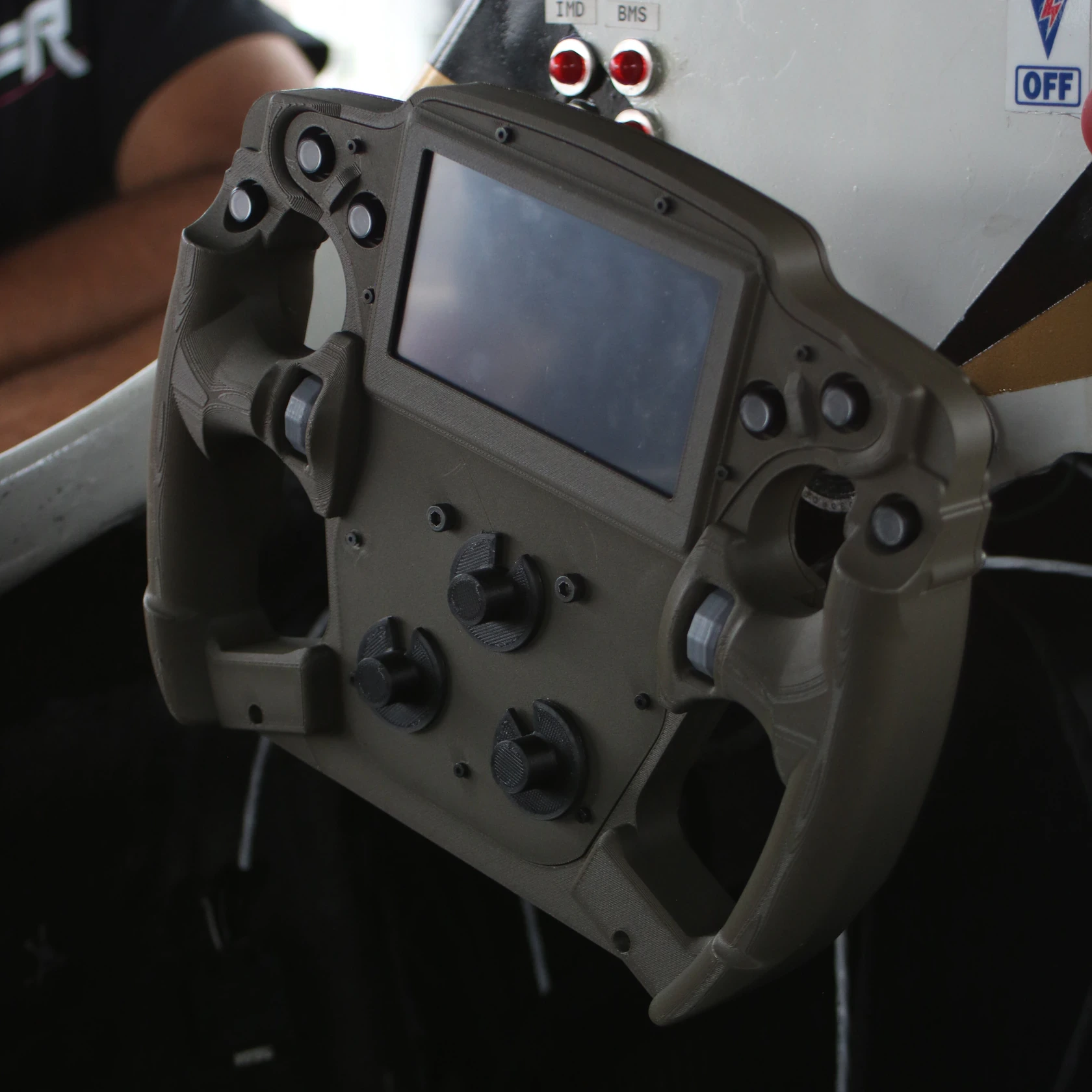
The steering wheel is being redesigned with more ergonomic features, among them grips made for each driver on either side of it, to improve feel and steering.
The move to 10-inch wheels needs new steering to work and pass technical inspection. On WFR26-E, rebuilding the geometry made the anti-Ackermann setting fully usable, which reduced understeer and the minimum turn radius in hairpins and on the skidpad.
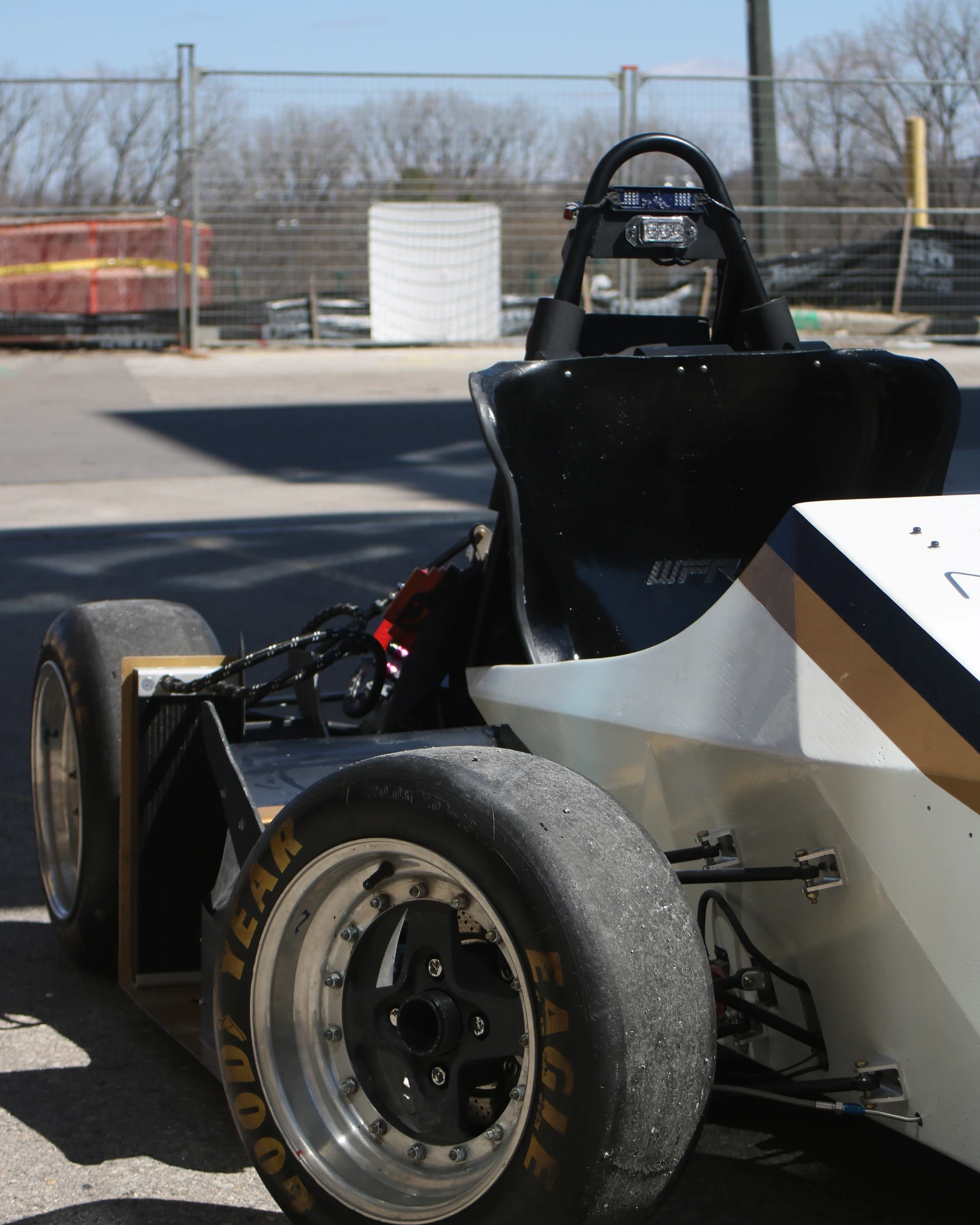
The geometry was rebuilt around the real operating toe of 1 degree static toe-out and checked in CAD for kinematics and packaging, removing a previous interference and making the anti-Ackermann setting fully usable. That reduced understeer and the minimum turn radius in hairpins and on the skidpad.
Together with GPS and accelerometer data it lets the team compare driver input with what the car actually does.
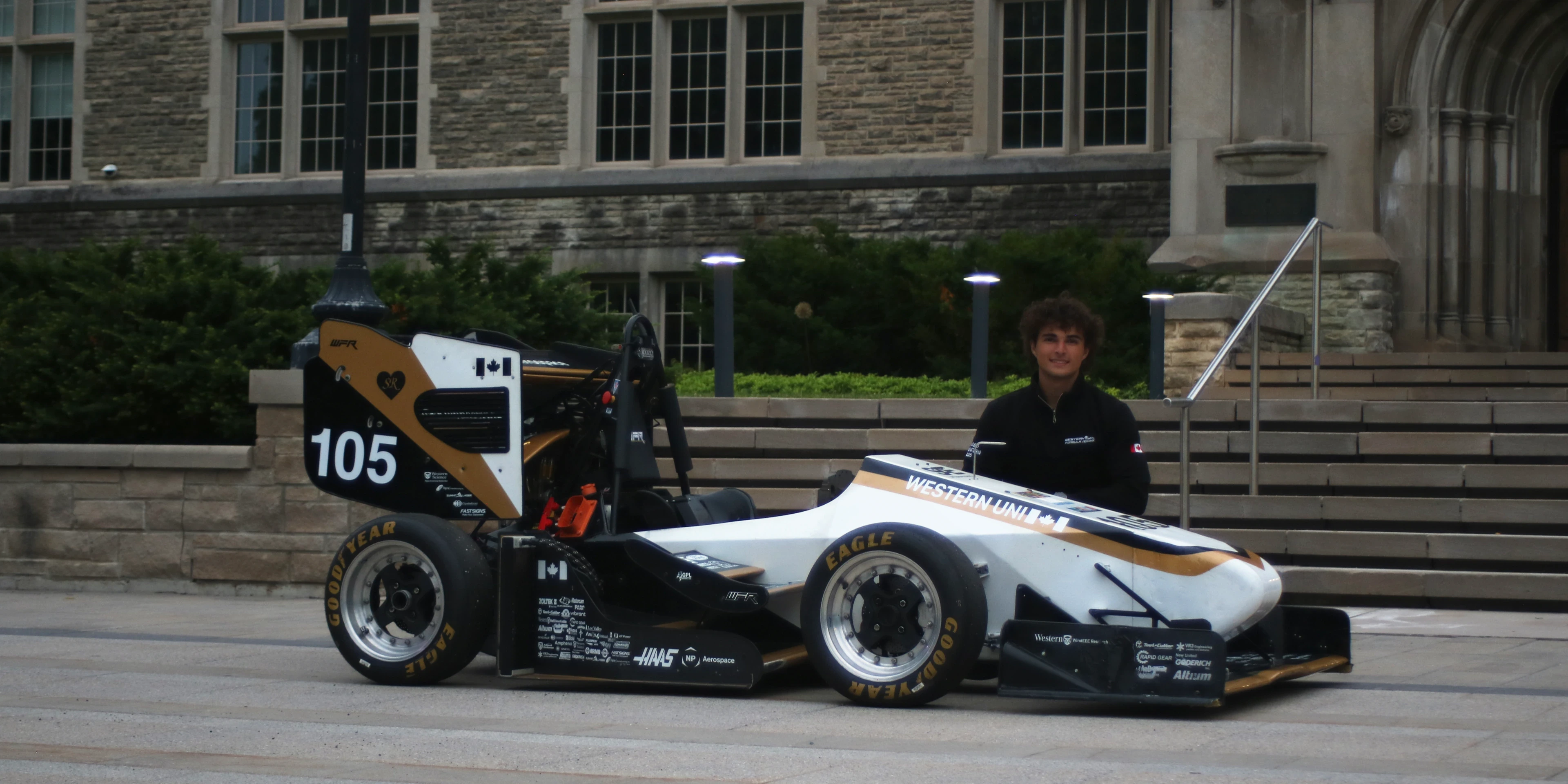
Recruitment is open. You do not need to be an engineer or know anything about racing. Bring your curiosity and we will teach you the rest.