Drivetrain
Features
- 01
Remanufactured gearbox
Two gears replaced after fatigue, machined and carburized by a sponsor.
- 02
Chain drive development
Designed this season for a later car, with sprocket and chain analysis.

Subsystem 09 of 13
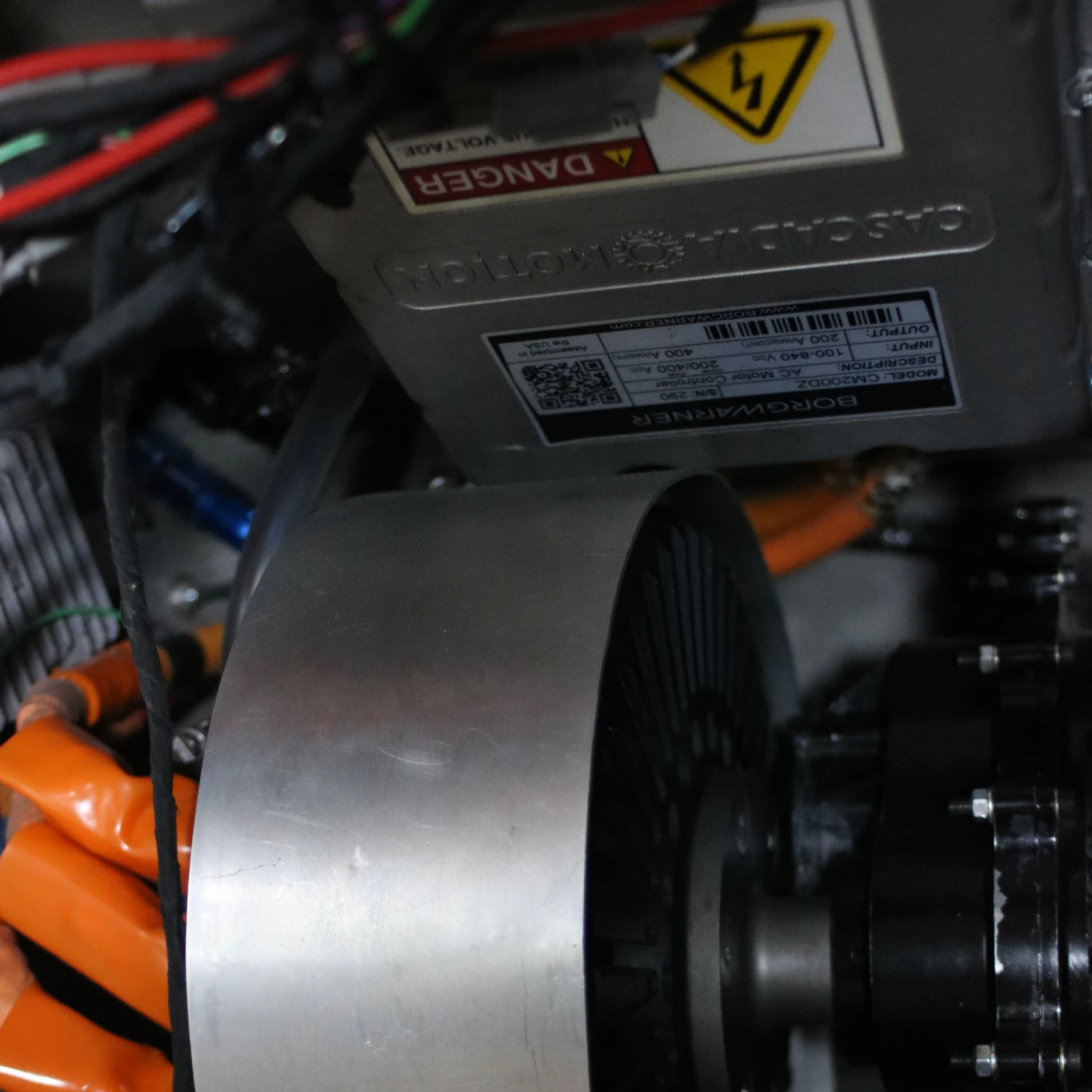
A single Emrax 228 MV motor and a Cascadia Motion CM200DZ inverter drive the rear wheels through the team's custom double-reduction gearbox and a Drexler limited slip differential. For WFR26-E the gearbox carried over, with its worn gears remanufactured.
Drivetrain
Two gears replaced after fatigue, machined and carburized by a sponsor.
Designed this season for a later car, with sprocket and chain analysis.
The team's own double-reduction gearbox has run for about six years and proved reliable but heavy. A chain drive should save around 4 to 7 kg of drivetrain mass while staying reliable, with a simpler design, a smaller space claim and lower parasitic losses than gears, and it accommodates the gear reduction change the new car needs.
The rear frame changes considerably around the new tractive battery and chassis, so the drivetrain is packaged into it afresh. The motor will sit high to clear the axle, with new bracing to keep the chassis from flexing.
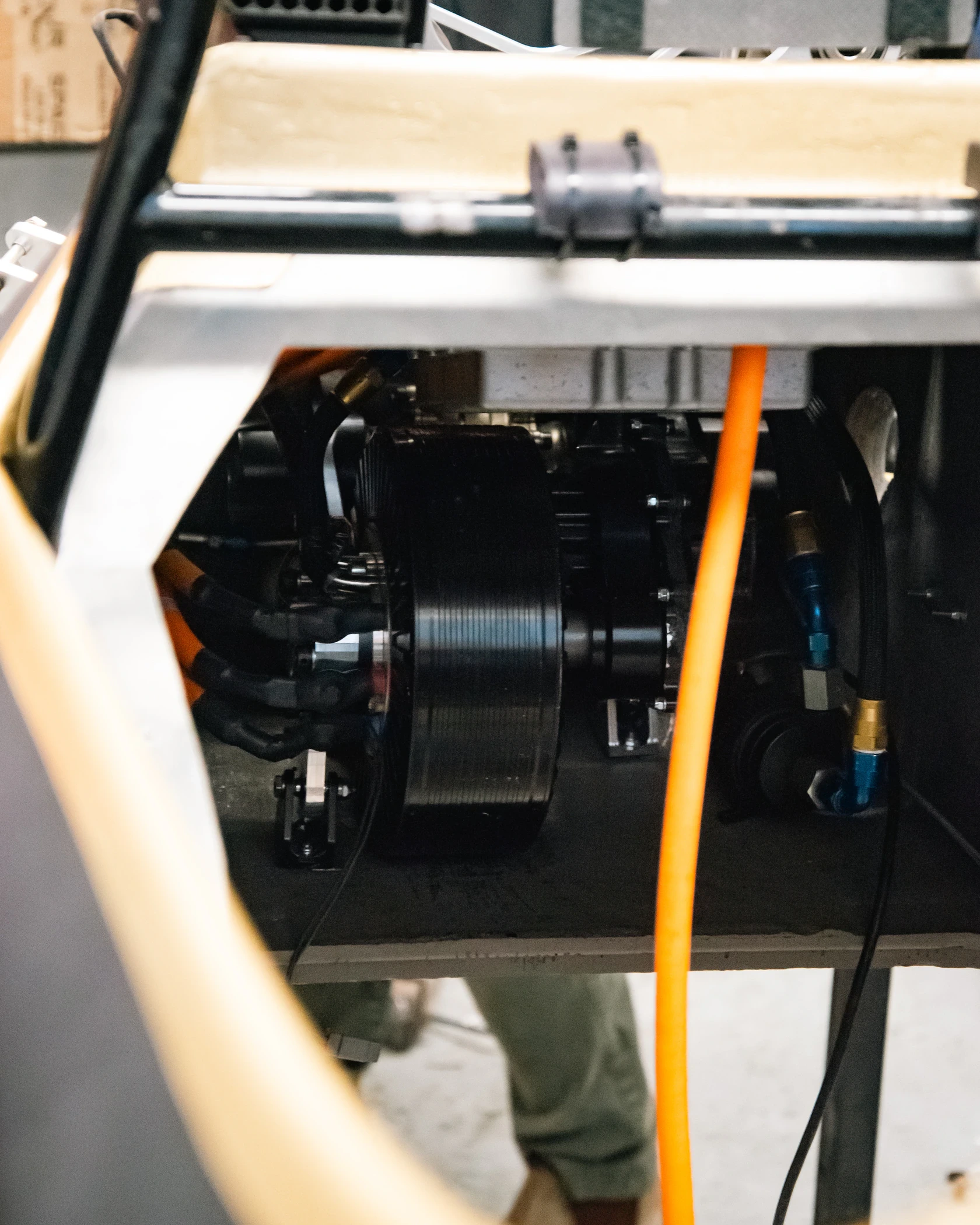
WFR26-E uses a single motor, rear wheel drive layout, chosen for efficiency, compact packaging and the team's resources.
The CM200DZ inverter carried over as a proven match for the motor, and the power electronics were chosen to stay compatible with a future 600 V system.
Post-season servicing found significant gear wear, so the gears were remanufactured. A final drive of 4.53 was chosen with the suspension team, and 18 inch 4130 steel half shafts carry drive to the rear wheels.
Recruitment is open. You do not need to be an engineer or know anything about racing. Bring your curiosity and we will teach you the rest.